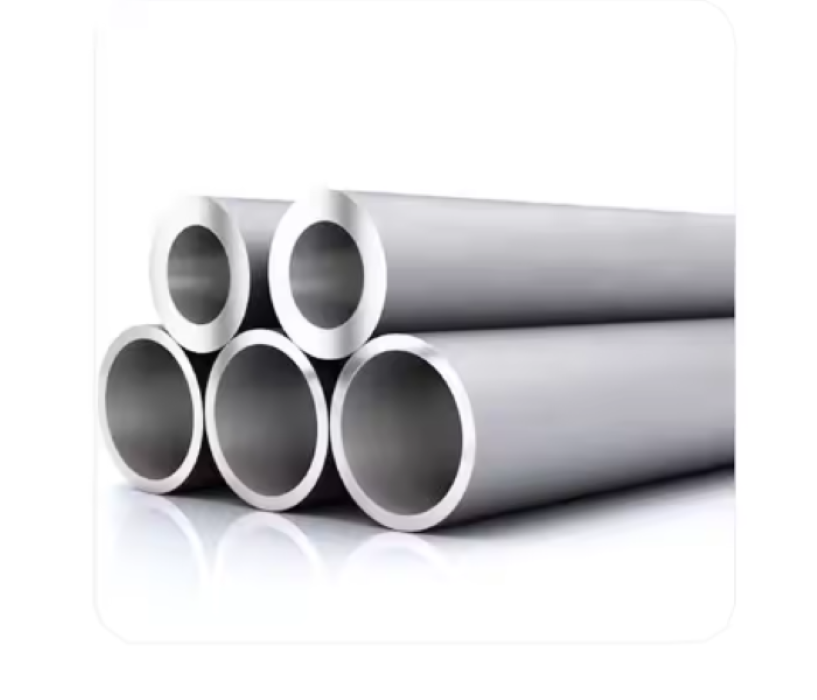
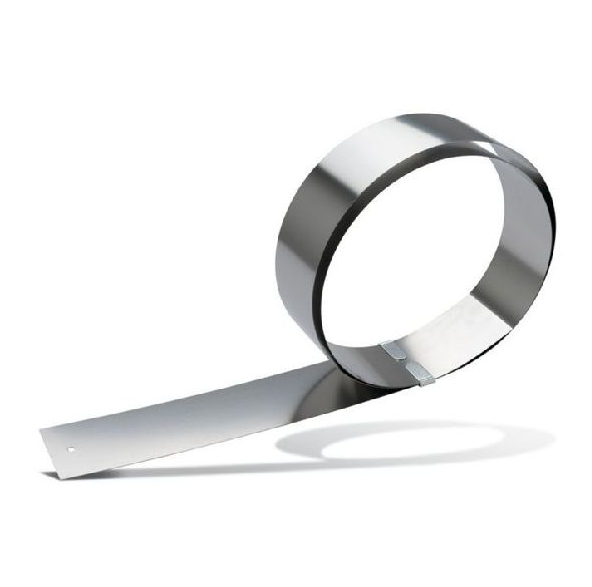
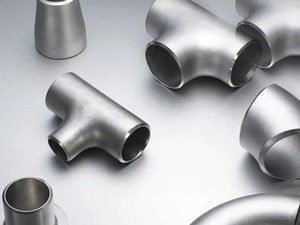
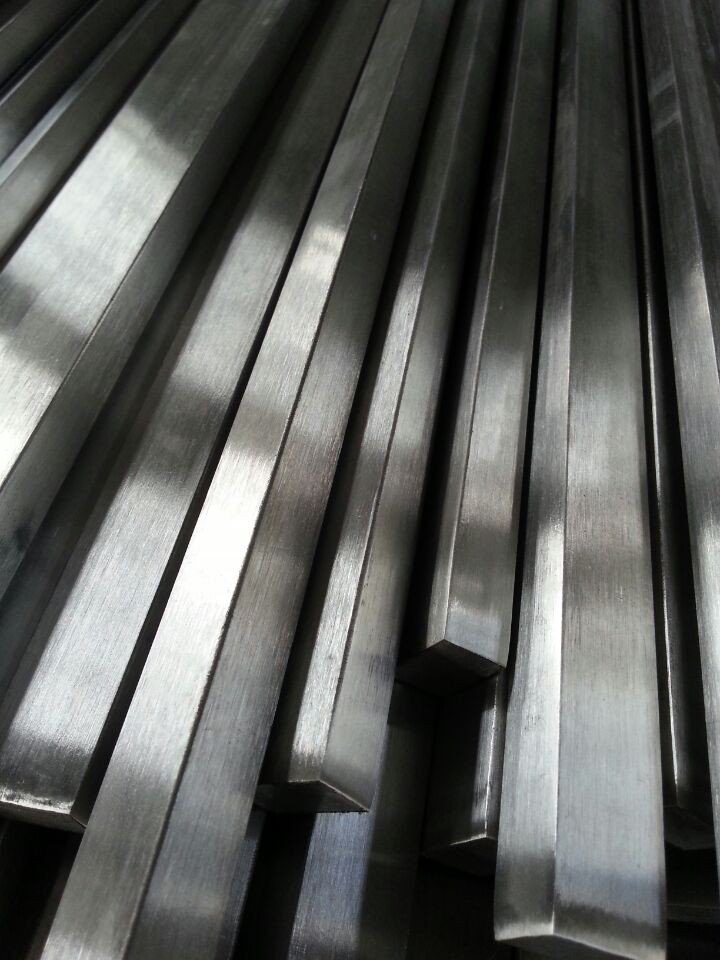
Austenitic chromium-nickel stainless steel alloyed with nitrogen and rare earth metals for superior high-temperature performance.
Exceptional oxidation resistance at temperatures up to 1150°C (2100°F), especially under cyclic heating conditions.
High creep strength and structural stability for reliable service in demanding thermal environments.
Good weldability and formability with excellent resistance to combustion gases and carburizing atmospheres
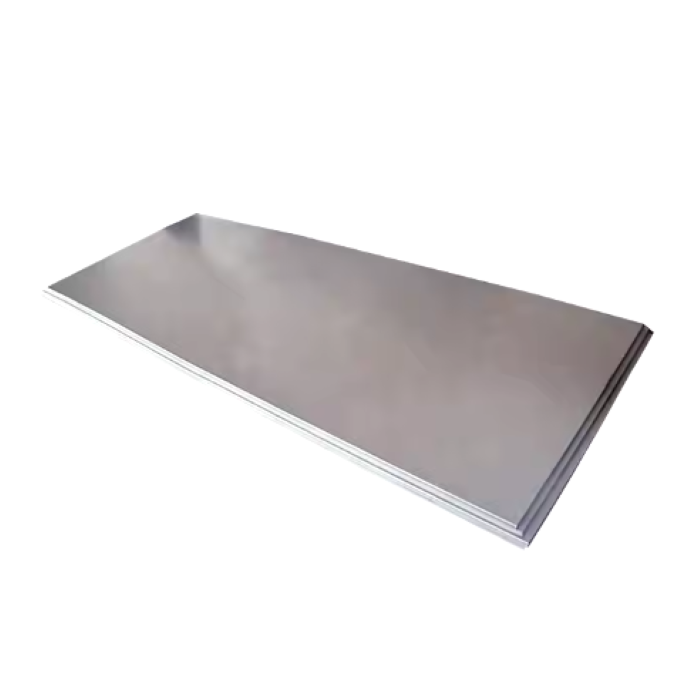
254SMO Stainless Steel Plate
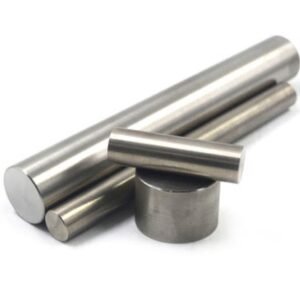
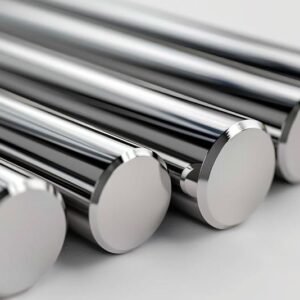
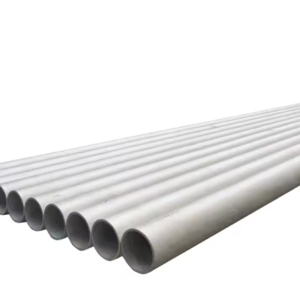
254SMO stainless steel plate (UNS S31254), also known as 6Mo stainless steel, is a high-alloy austenitic stainless steel designed for superior corrosion resistance in aggressive environments.
With high molybdenum, chromium, and nitrogen content, 254SMO provides exceptional resistance to pitting, crevice corrosion, and chloride stress corrosion cracking. It is widely used in marine, chemical, and offshore industries.
Hengyi Metal is a trusted 254SMO (UNS S31254 / 1.4547) supplier providing high-quality alloy materials for global industries
Contact us now for a quotation.
Email: sales@hengyimetal.com
WhatsApp: +86 19521258704
Key Advantages
- Extremely high resistance to pitting corrosion
- Excellent crevice corrosion resistance
- Strong resistance to chloride environments
- PREN value > 42 (very high corrosion resistance)
Applications
- Seawater Systems
- Offshore Oil & Gas
- Desalination Plants
- Chemical Processing Equipment
Chemical Composition
| Element | Content (%) | |
|---|---|---|
| Carbon (C) | ≤ 0.020 | |
| Manganese (Mn) | ≤ 1.00 | |
| Silicon (Si) | ≤ 0.80 | |
| Phosphorus (P) | ≤ 0.030 | |
| Sulfur (S) | ≤ 0.010 | |
| Chromium (Cr) | 19.5 – 20.5 | |
| Nickel (Ni) | 17.5 – 18.5 | |
| Molybdenum (Mo) | 6.0 – 6.5 | |
| Nitrogen (N) | 0.18 – 0.22 | |
| Copper (Cu) | 0.5 – 1.0 | |
| Iron (Fe) | Balance |