Nickel-iron alloy with a coefficient of thermal expansion approximately one-tenth that of carbon steel.
Maintains exceptional dimensional stability from cryogenic temperatures up to 500°F (260°C).
Retains good strength, toughness, and ductility even at cryogenic temperatures.
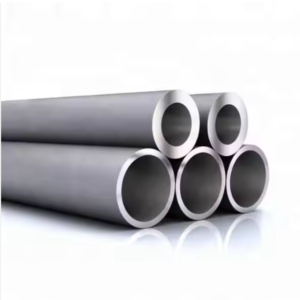
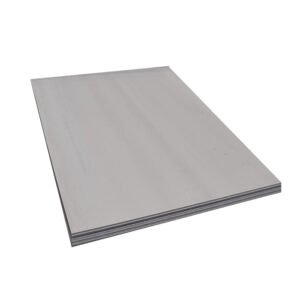
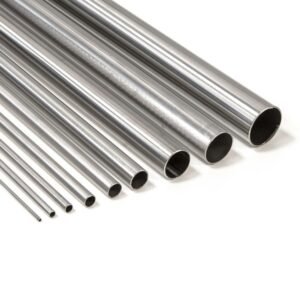
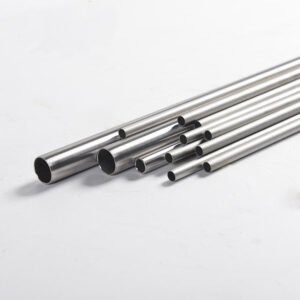
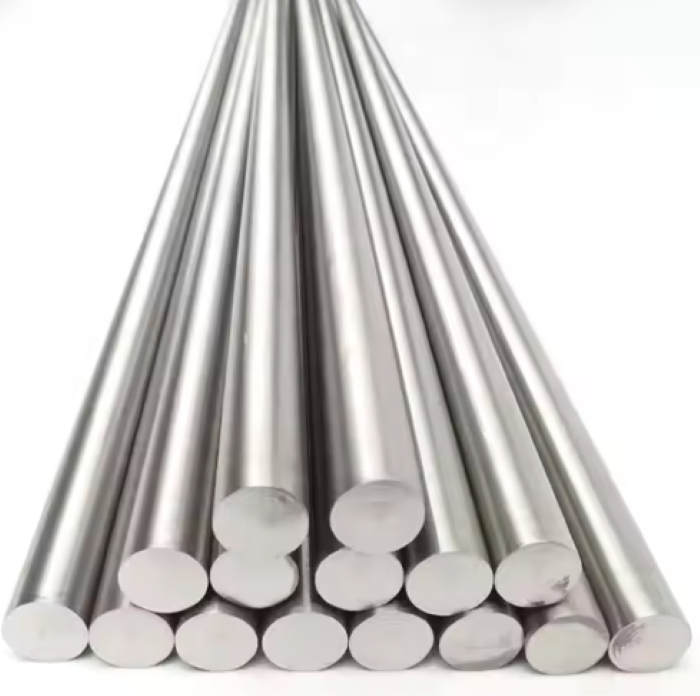
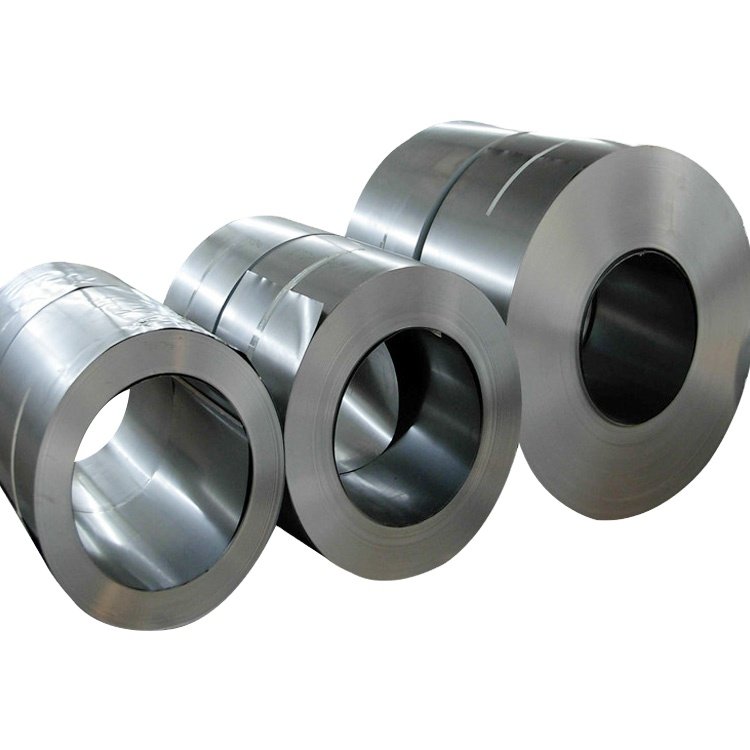
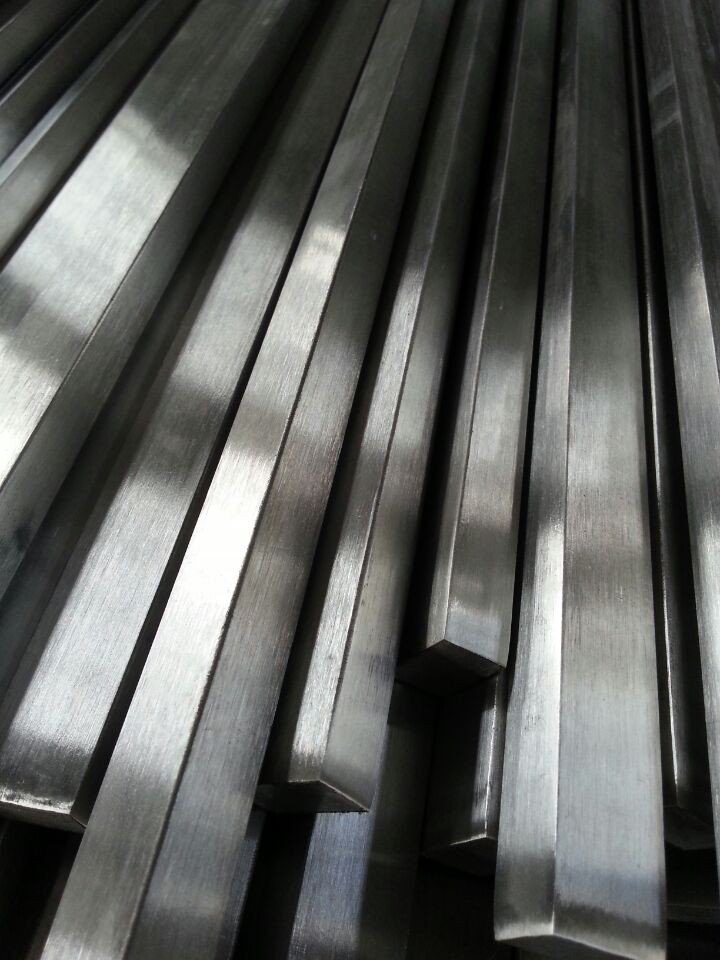
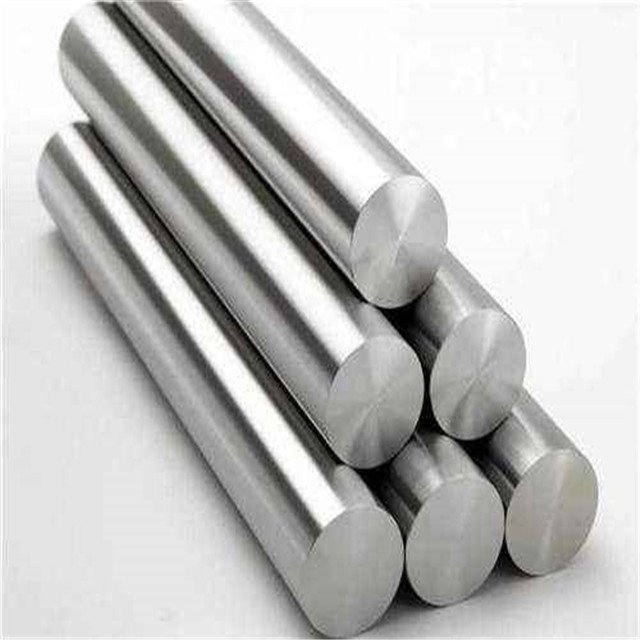
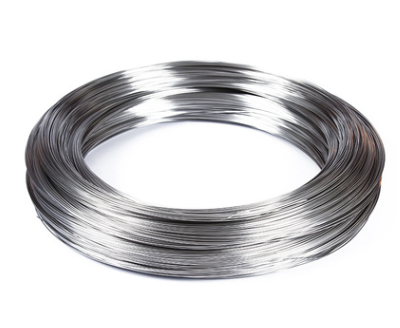
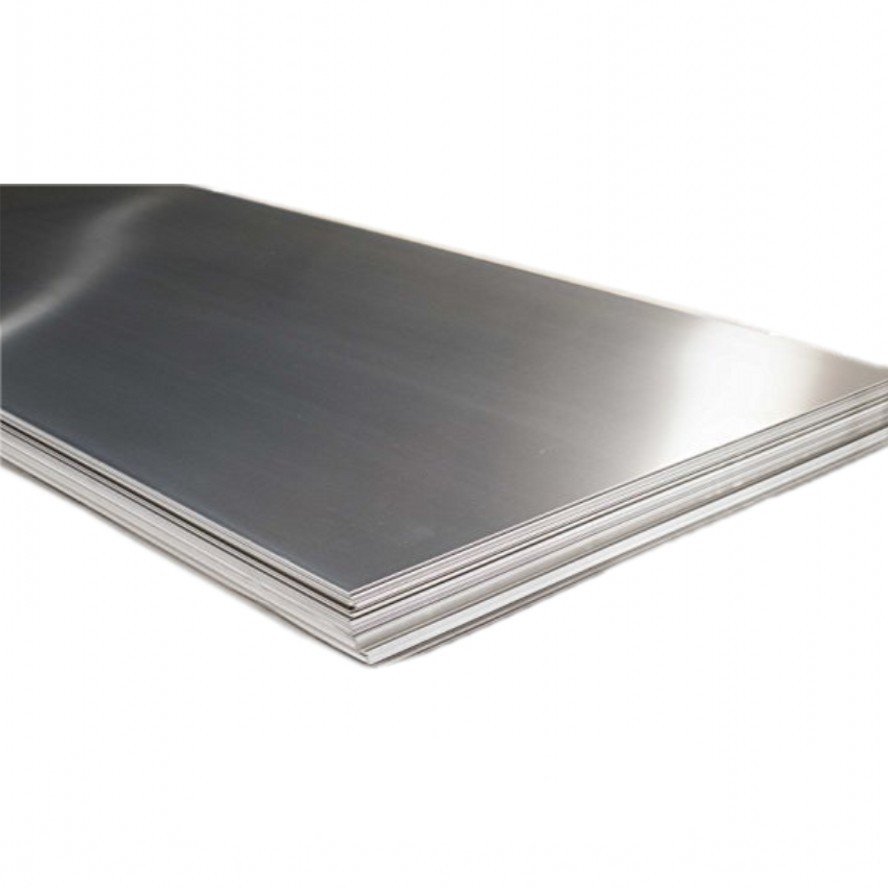
Available in multiple forms including bar, sheet, plate, wire, tube, and welding wire
Invar 36 (UNS K93600) is a nickel–iron alloy containing approximately 36% nickel, known for its extremely low coefficient of thermal expansion at room temperature. This unique property makes it ideal for applications requiring high dimensional stability
Invar 36 is widely used in precision instruments, aerospace components, and tooling where minimal thermal expansion is critical.
Key Features
- Extremely low coefficient of thermal expansion
- Excellent dimensional stability
- Good strength and toughness
- Suitable for cryogenic and moderate temperature environments
- Good machinability and weldability
Applications
Invar 36 is widely used in:
- Aerospace structures and components
- Precision instruments and measuring devices
- Optical and laser systems
- Tooling and molds
- Electronic and semiconductor equipment
Contact us now for a quotation
Email: sales@hengyimetal.com
WhatsApp: +86 19521258704
Learn more about real-world usage in our guide:
- Inconel 600 VS Inconel 625
- Hastelloy C22 vs C276 Comparison
Hastelloy c2000-guide - Inconel 718 Properties
- Incoloy 800 VS Inconel 600
- Inconel X-750 VS Inconel 718
For a broader overview, see our guide on what are nickel alloys
Chemical Composition
| Element | Content (%) | Notes |
|---|---|---|
| Nickel (Ni) | 35.0 – 37.0 | Primary alloying element |
| Iron (Fe) | Balance | Remainder |
| Carbon (C) | 0.05 – 0.10 max | Low carbon for weldability |
| Manganese (Mn) | 0.06 – 0.60 | Varies by specification |
| Silicon (Si) | 0.20 – 0.35 max | |
| Phosphorus (P) | 0.020 – 0.025 max | |
| Sulfur (S) | 0.002 – 0.025 max | |
| Chromium (Cr) | 0.15 – 0.50 max | |
| Cobalt (Co) | 0.50 – 1.0 max | |
| Molybdenum (Mo) | 0.50 max |
Mechanical Properties (Annealed Condition)
| Property | Typical Value |
|---|---|
| Tensile Strength | 430 – 490 MPa (63,000 – 71,000 psi) |
| Yield Strength (0.2% Offset) | 240 – 280 MPa (35,000 – 40,000 psi) |
| Elongation | 30 – 42% |
| Hardness | 70 – 135 HB / Rockwell B 70-90 |
| Reduction of Area | 65% |
Available Forms & Specifications
| Product Form | Size Range | Standards |
|---|---|---|
| Bar & Rod | 3mm – 280mm diameter | ASTM F1684, MIL-S-16598 |
| Sheet & Strip | 0.1mm – 5mm thickness | ASTM B753, DIN 1715 |
| Plate | 4mm – 130mm thickness | ASTM F1684 |
| Wire | 0.025mm – 21mm diameter | ASTM F1684 |
| Tube | OD 0.25mm – 25.4mm | Custom tolerances available |
| Foil | 0.005mm – 0.05mm thickness | Electrochemical deposition process |
Specifications & Designations
| Standard | Designation |
|---|---|
| UNS | K93600, K93601, K93603 |
| Wnr(Germany) | 1.3912 |
| ASTM | F1684, B388, B753 |
| DIN | 1715 (Sheet and Strip) |
| MIL Spec | MIL-S-16598, MIL-I-23011 CL 7 |
| AFNOR | NF A54-301 |
| Other Designations | FeNi36, Nilo 36, Alloy 36, 4J36, Nilvar, Pernifer 36 |
Frequently Asked Questions
Q: What is Invar 36 used for?
A: Invar 36 is used in applications requiring exceptional dimensional stability across temperature variations, including precision instruments, aerospace composite tooling, optical systems, cryogenic components, and standards of length .
Q: What is the coefficient of thermal expansion for Invar 36?
A: The coefficient is approximately 1.1 – 1.4 × 10⁻⁶ /°C from 20-100°C, about one-tenth that of carbon steel .
Q: What is the maximum operating temperature for Invar 36?
A: The alloy maintains its low expansion properties up to approximately 500°F (260°C). Above the Curie temperature of 279°C (534°F), expansion increases significantly .
Q: Can Invar 36 be welded?
A: Yes, Invar 36 exhibits good weldability using GTAW/TIG and GMAW/MIG processes with compatible filler metal CF36 .
Q: Is Invar 36 magnetic?
A: Yes, Invar 36 is ferromagnetic at room temperature up to its Curie temperature of approximately 279°C (534°F)