
Low Carbon Content: Maximum 0.02% carbon prevents embrittlement and graphitization at temperatures above 600°F (315°C), enabling reliable high-temperature service up to 1250°F.
Outstanding Caustic Resistance: Provides exceptional corrosion resistance to concentrated caustic alkalis (NaOH, KOH), making it the standard material for evaporators and concentrators in chemical processing.
High Conductivity: Exhibits excellent thermal (70.4 W/m·K) and electrical (9.6 µΩ·cm) conductivity, along with useful ferromagnetic properties for electronic and aerospace applications.
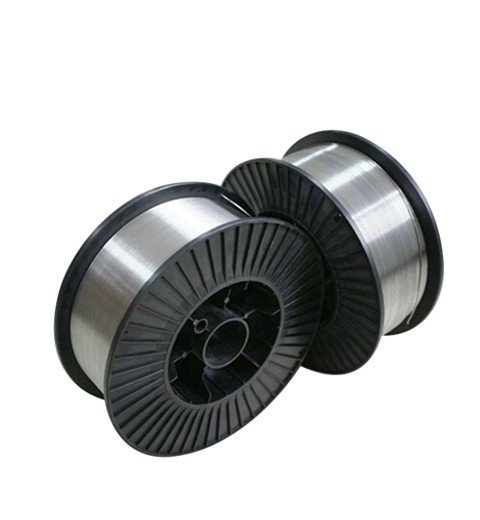
Excellent Fabricability: Readily formed, welded, and machined using standard techniques; typically welded with ERNi-1 filler metal without requiring preheating.
Nickel 201 (UNS N02201) is a low-carbon version of commercially pure nickel. It offers excellent corrosion resistance and improved performance in high-temperature environments compared to Nickel 200.
With its reduced carbon content, Nickel 201 minimizes the risk of intergranular embrittlement, making it ideal for applications involving elevated temperatures and corrosive conditions
Hengyi Metal supplies high-quality Nickel 201 products with fast delivery and competitive pricing.
Contact us today for more information and quotations.
Email: sales@hengyimetal.com
WhatsApp: +86 19521258704
Key Features
- Low carbon content for improved high-temperature performance
- Excellent corrosion resistance in alkaline environments
- High purity nickel (≥99.6%)
- Good thermal and electrical conductivity
- Excellent fabrication and weldability
Applications
Nickel 201 is widely used in:
- Chemical processing equipment
- Heat exchangers
- Power generation systems
- Industrial furnaces
- Caustic handling applications
Nickel 201 vs Nickel 200
Nickel 201 is specially designed for high-temperature environments, while Nickel 200 is more suitable for general industrial applications,The key difference is carbon content, which affects performance at elevated temperatures.
Nickel Alloys for Chemical Applications
Nickel Alloy Materials
Monel 400 | Inconel 625
Chemical Composition
The key difference between Nickel 201 and Nickel 200 is the significantly lower carbon content, which eliminates the risk of graphitization at elevated temperatures.
| Element | Content (%) – Nickel 201 | Content (%) – Nickel 200 (for reference) |
|---|---|---|
| Nickel (Ni) | ≥ 99.0 | ≥ 99.0 |
| Carbon (C) | ≤ 0.02 | ≤ 0.15 |
| Iron (Fe) | ≤ 0.40 | ≤ 0.40 |
| Manganese (Mn) | ≤ 0.35 | ≤ 0.35 |
| Silicon (Si) | ≤ 0.35 | ≤ 0.35 |
| Sulfur (S) | ≤ 0.01 | ≤ 0.01 |
| Copper (Cu) | ≤ 0.25 | ≤ 0.25 |
Reference: ASTM B162 chemical requirements for UNS N02201 .
FAQ
Q: What is the difference between Nickel 200 and Nickel 201?
A: Nickel 201 has lower carbon content, making it more suitable for high-temperature environments.
Q: What forms are available for Nickel 201?
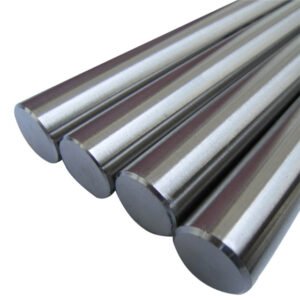
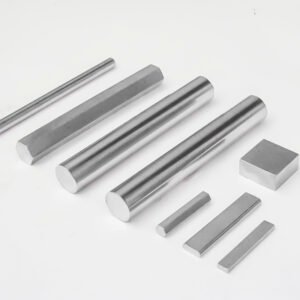
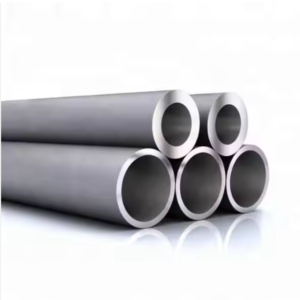
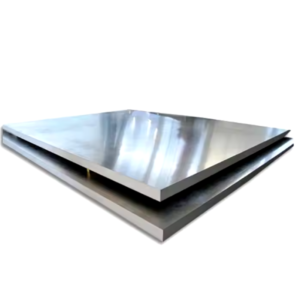
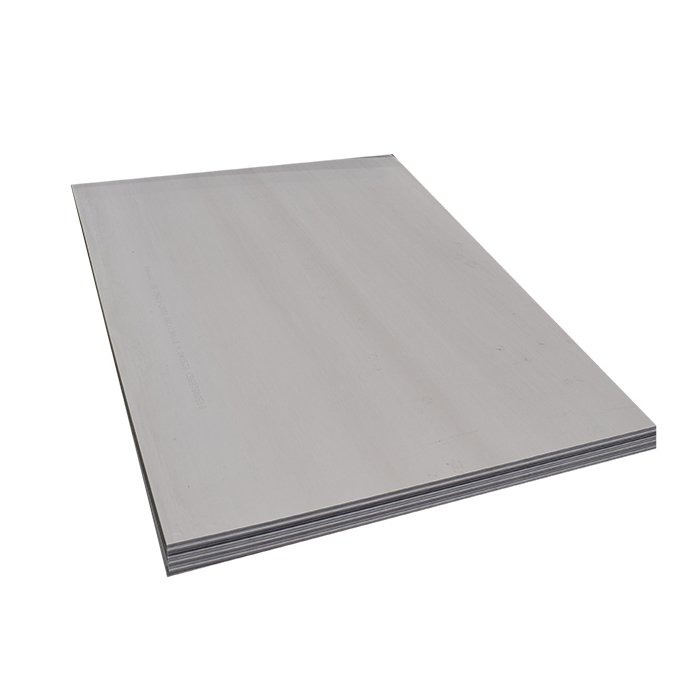
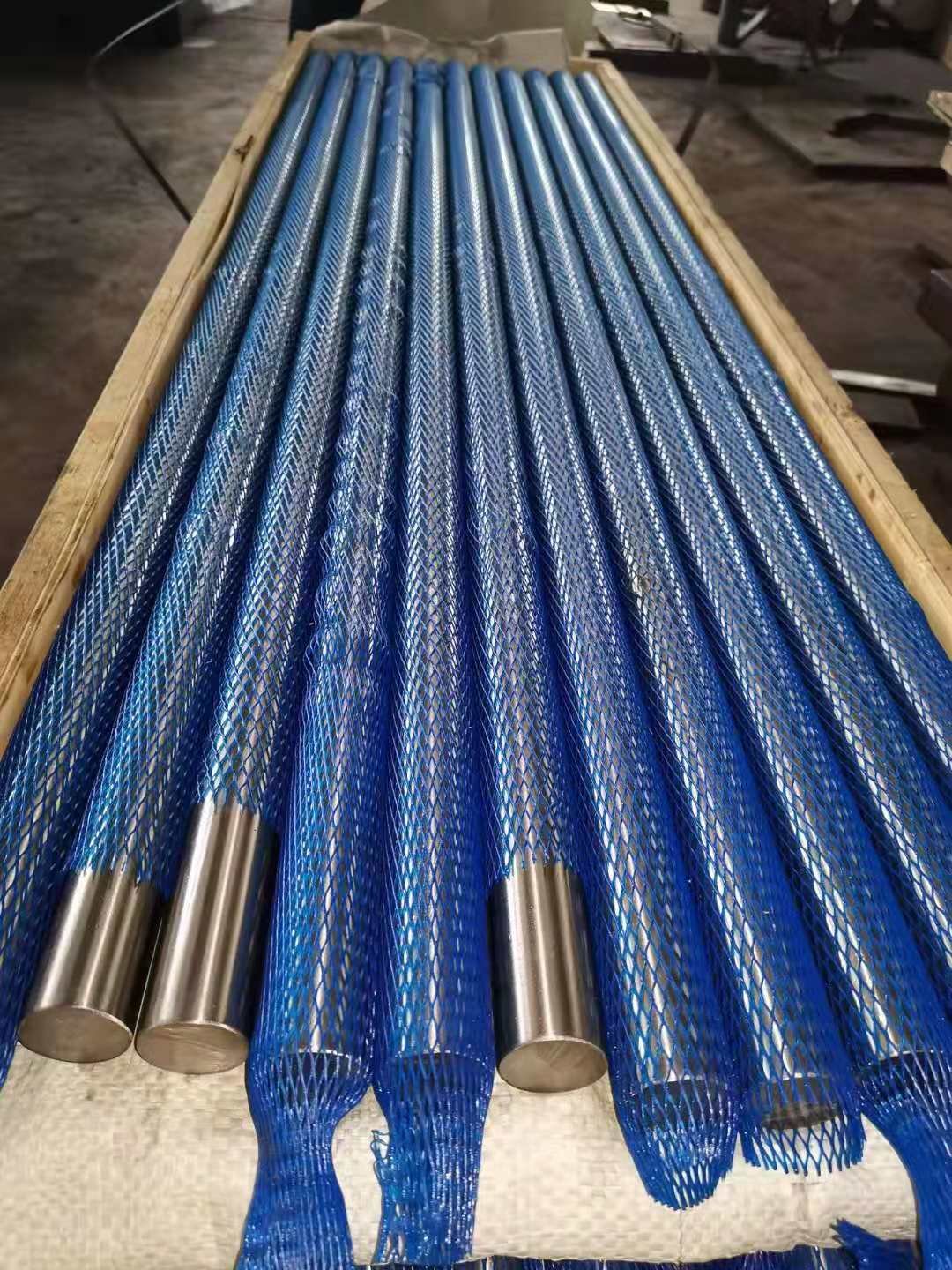
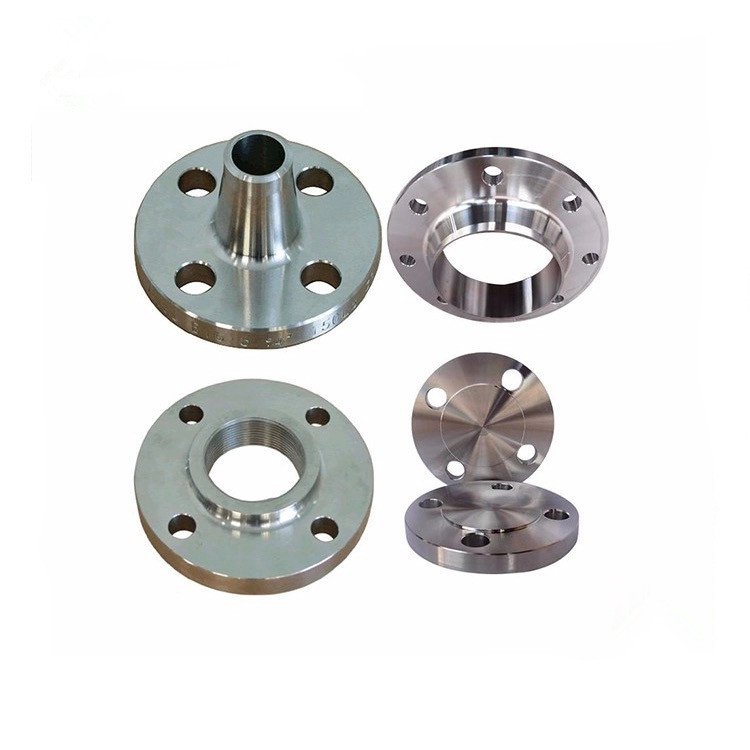
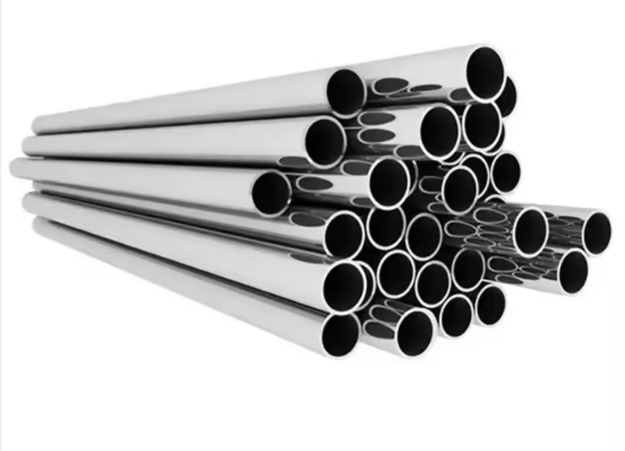
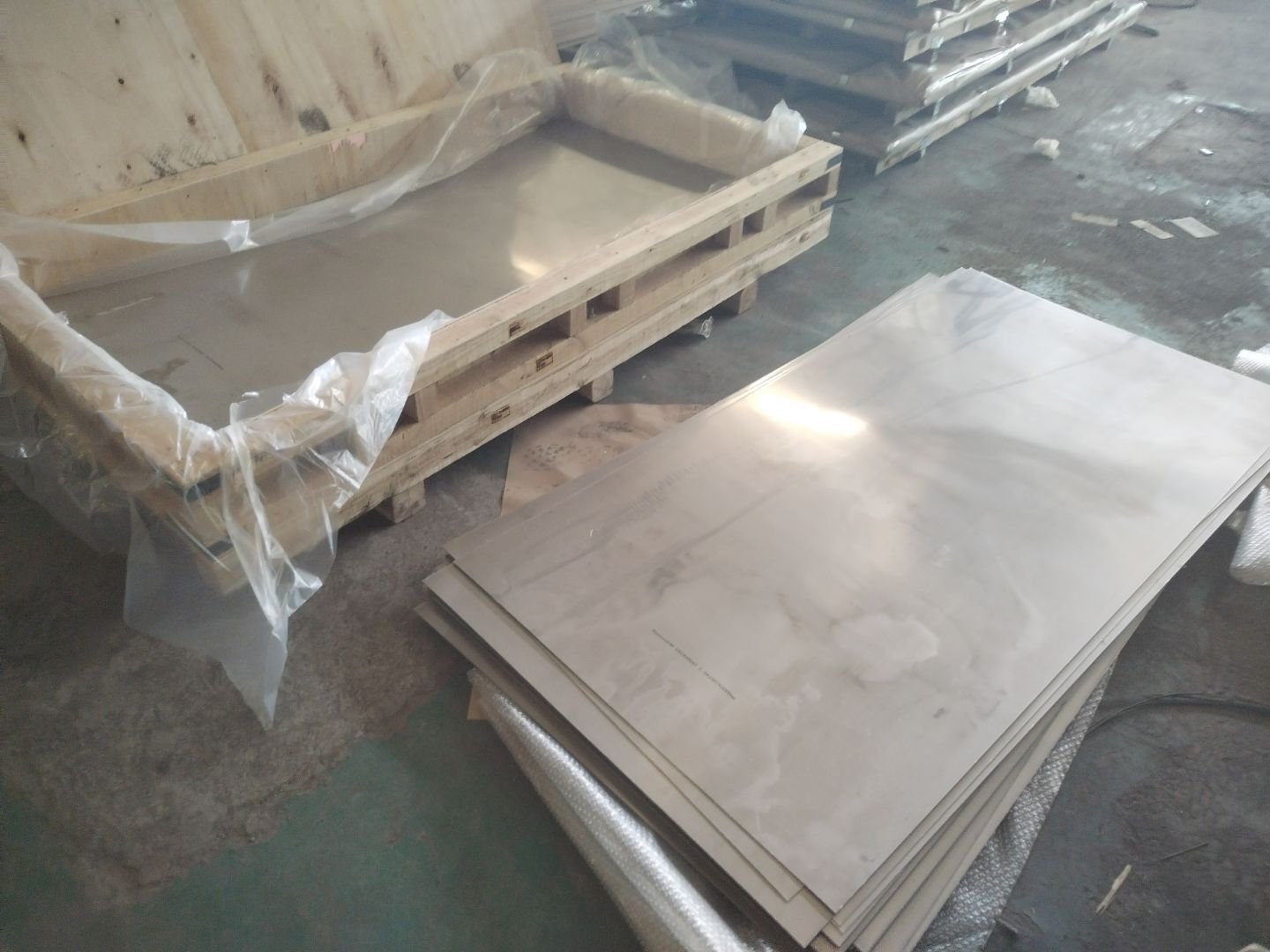
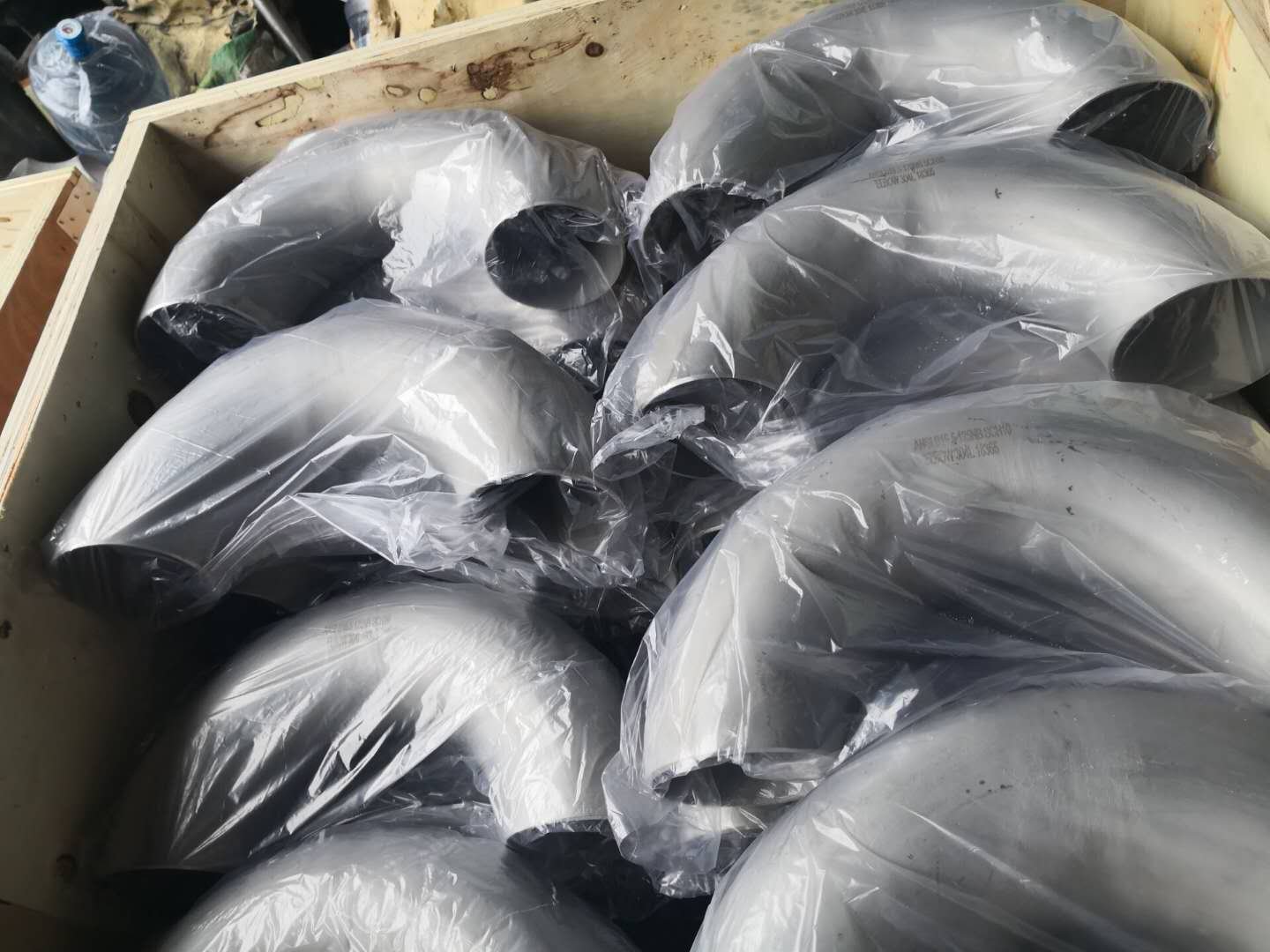
A: Plate, sheet, bar, pipe, and custom sizes.
Nickel 201 vs Nickel 200 – Selection Guide
| Application Condition | Recommended Grade |
|---|---|
| Service temperature below 600°F (315°C) | Nickel 200 (more economical) |
| Service temperature above 600°F (315°C) | Nickel 201 (required to prevent embrittlement) |
| Intermittent high temperature exposure | Nickel 201 |
| Welded components for high temperature service | Nickel 201 |
| Caustic service at any temperature | Both acceptable; Nickel 201 preferred for welded caustic concentrators |