Super duplex microstructure with 25% chromium, 4% molybdenum, and nitrogen for exceptional pitting and crevice corrosion resistance (PRE > 41) .
Yield strength approximately twice that of standard austenitic stainless steels, enabling significant weight savings in structural applications .
Excellent resistance to chloride-induced stress corrosion cracking (SCC) in aggressive chloride-bearing environments .
Low coefficient of thermal expansion and high thermal conductivity compared to austenitic stainless steels
Duplex 2507 / S32750 / 1.4410 /F53
Duplex 2507 is a super duplex (austenitic-ferritic) stainless steel designed for service in highly corrosive conditions where exceptional strength and corrosion resistance are required . With approximately 25% chromium, 7% nickel, 4% molybdenum, and nitrogen addition, this alloy delivers approximately twice the yield strength of standard austenitic stainless steels such as 304 and 316, while providing outstanding resistance to chloride-induced stress corrosion cracking, pitting, and crevice corrosion . It is the premium choice among duplex stainless steel grades for demanding applications worldwide.
Specifications & Designations
| Standard | Designation |
|---|---|
| UNS | S32750 |
| W.n.r(Germany) | 1.4410 |
| EN/DIN | X2CrNiMoN 25-7-4 |
| ASTM | A182 (F53), A240, A276, A479 |
| Other Designations | SAF 2507, Alloy 32750, 2507, F53 |
Chemical Composition
| Element | Content (%) | Source |
|---|---|---|
| Chromium (Cr) | 24.0 – 26.0 | |
| Nickel (Ni) | 6.0 – 8.0 | |
| Molybdenum (Mo) | 3.0 – 5.0 | |
| Nitrogen (N) | 0.24 – 0.35 | |
| Carbon (C) | 0.030 max | |
| Manganese (Mn) | 1.20 max | |
| Silicon (Si) | 0.80 max | |
| Copper (Cu) | 0.50 max | |
| Phosphorus (P) | 0.035 max | |
| Sulfur (S) | 0.020 max | |
| Iron (Fe) | Balance |
Mechanical Properties (Annealed)
| Property | Typical Value | |
|---|---|---|
| Tensile Strength | 750 – 930 MPa (109 – 135 ksi) | |
| Yield Strength (0.2% Offset) | 530 – 550 MPa (77 – 80 ksi) min | |
| Elongation | 25 – 30% | |
| Hardness | < 270 HB / < 28 HRC | |
| Impact Strength (Charpy V) | 80 J (room temp) | |
| Impact Strength (-46°C) | 45 J min |
Available Forms & Specifications
| Product Form | Size Range | Typical Specifications |
|---|---|---|
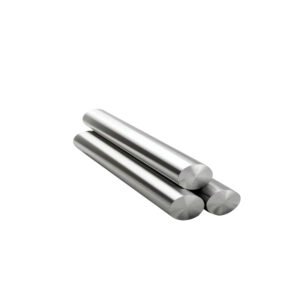
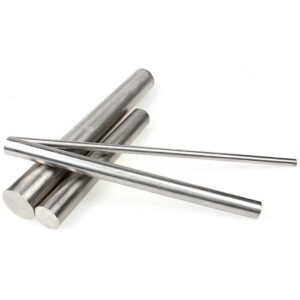
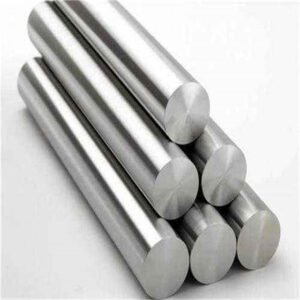
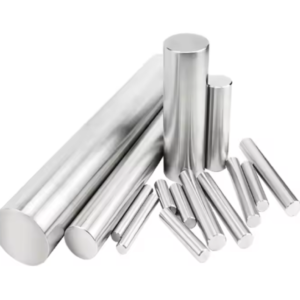
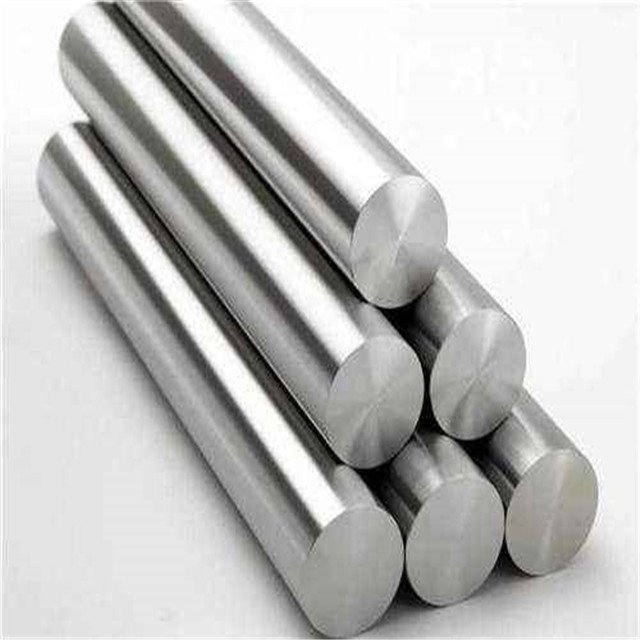
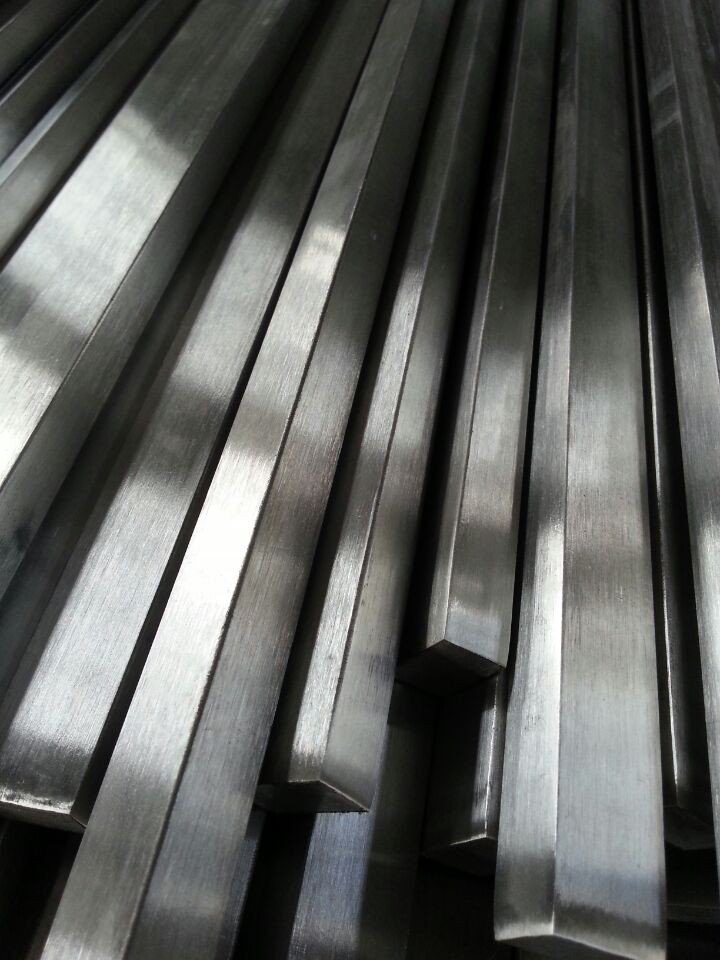
| Bar & Rod | Up to 300mm diameter | ASTM A276, A479, A182 F53 |
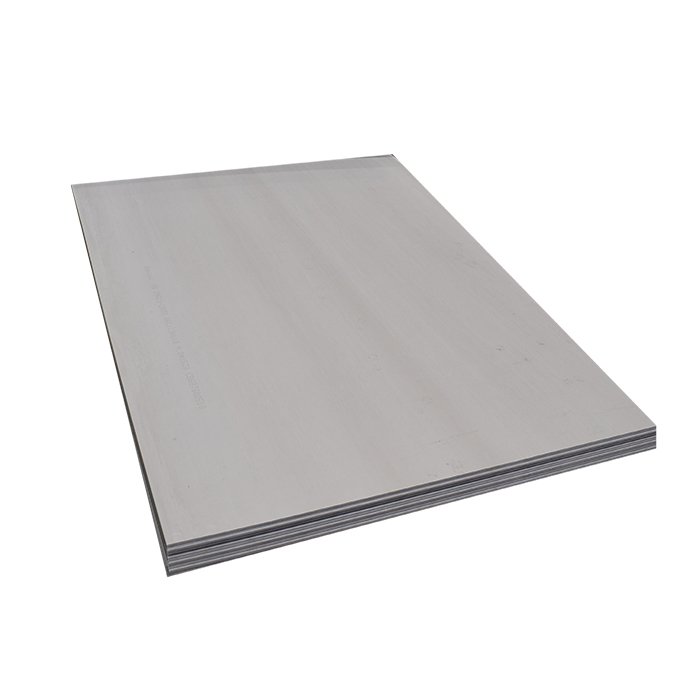
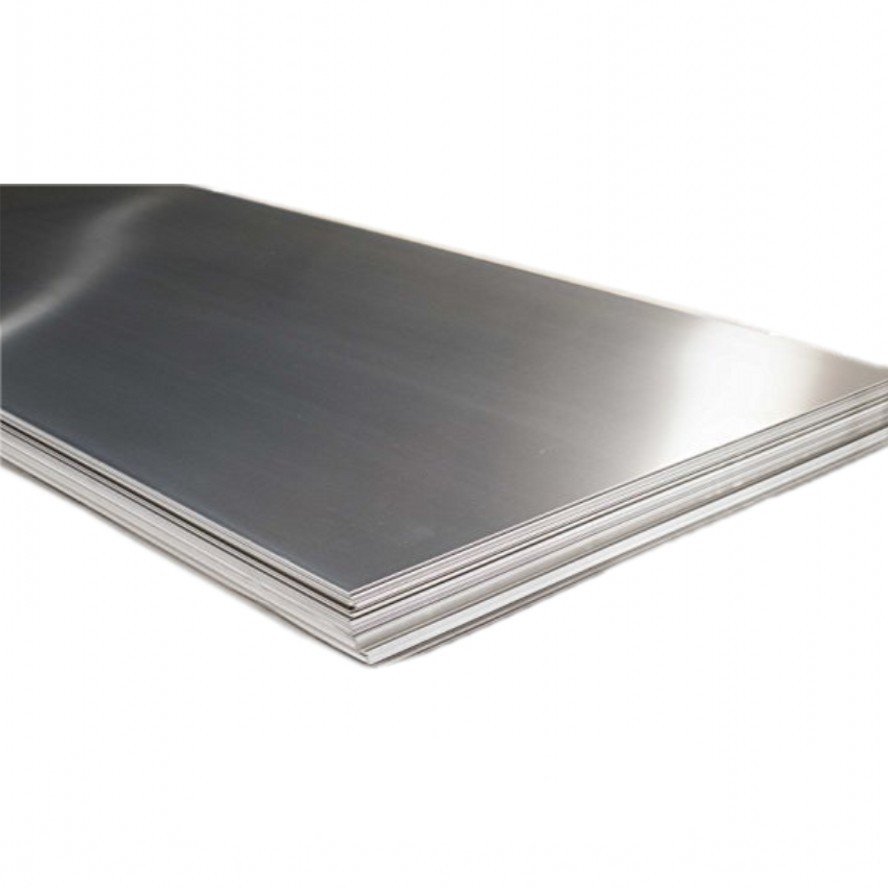
| Plate & Sheet | 0.5mm – 100mm thickness | ASTM A240 |
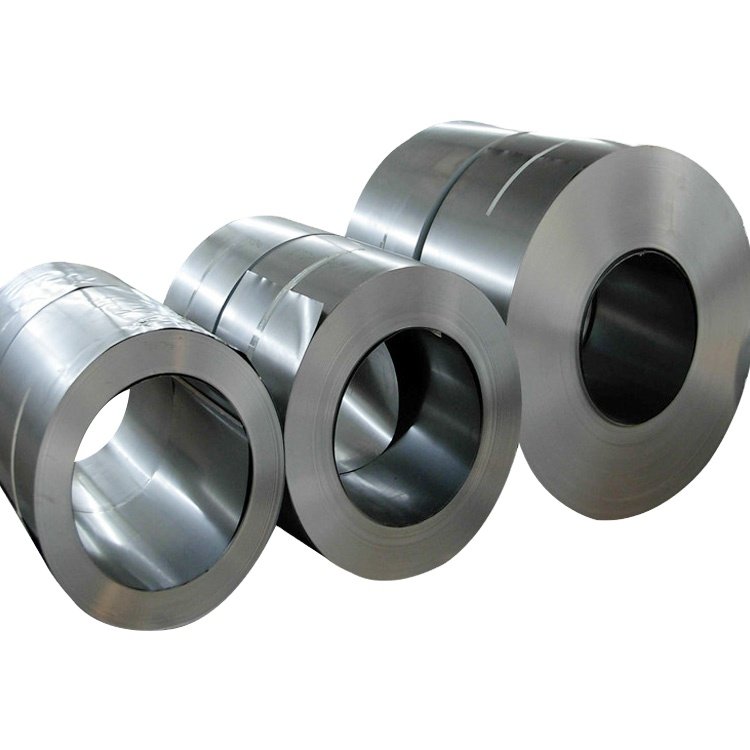
| Strip & Foil | 0.1mm – 5mm thickness | ASTM A240 |
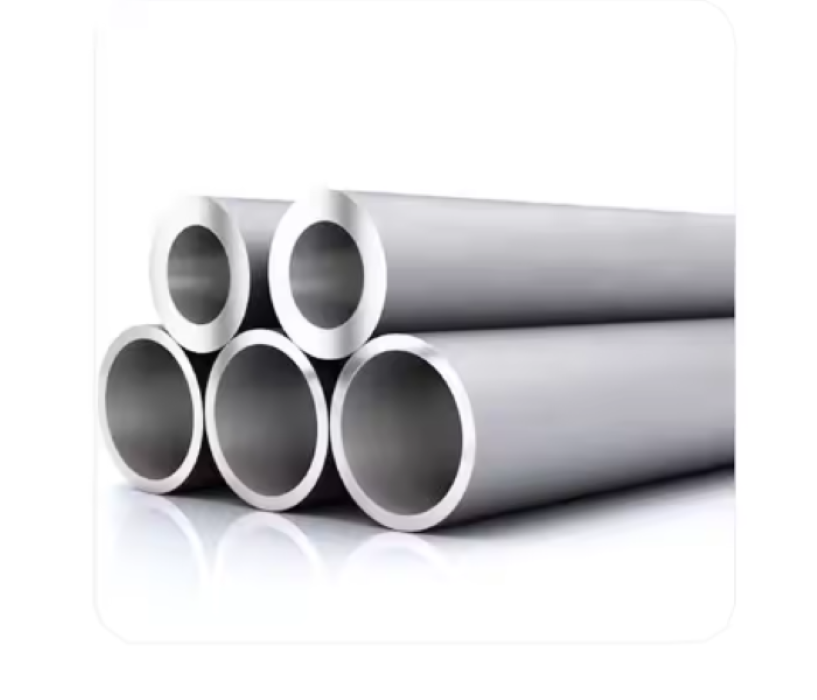
| Pipe & Tube (Seamless) | Custom sizes | ASTM A789, A790 |
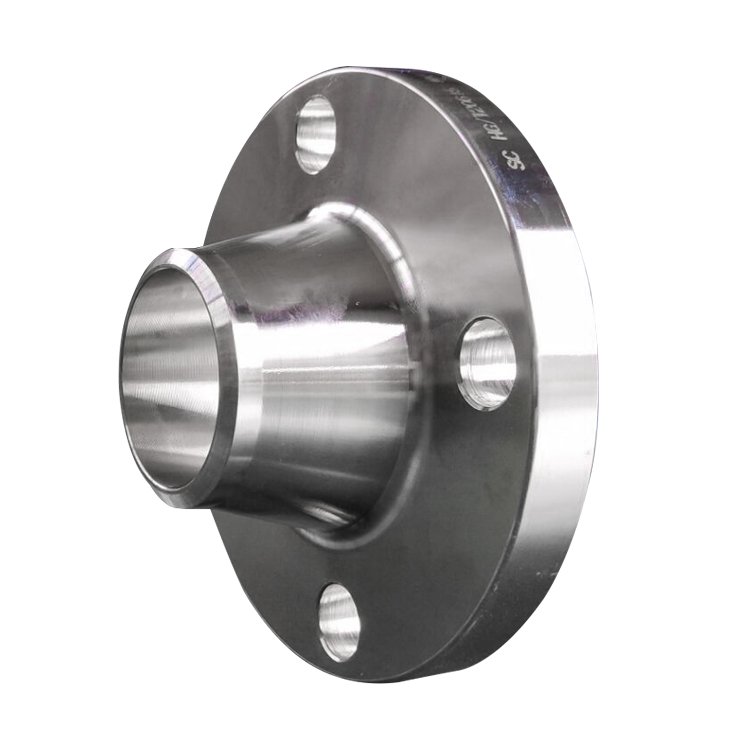
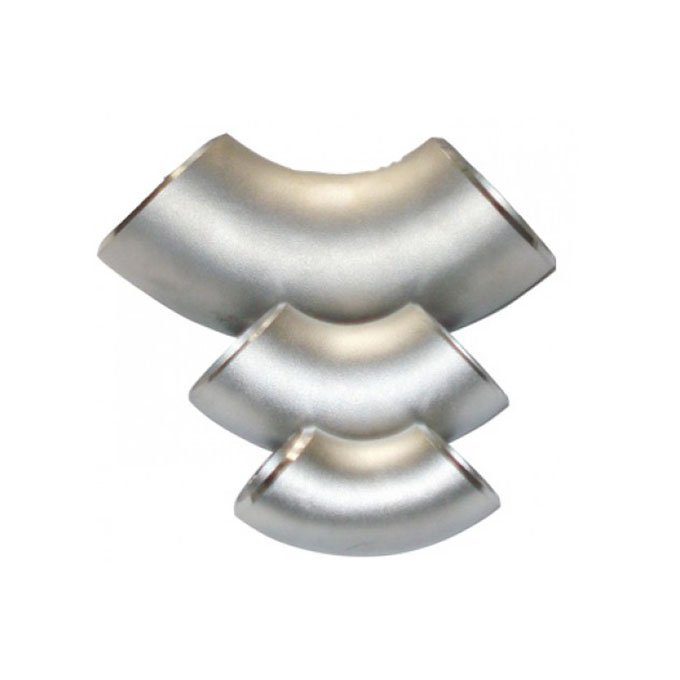
| Fittings | Custom configurations | ASTM A815 |
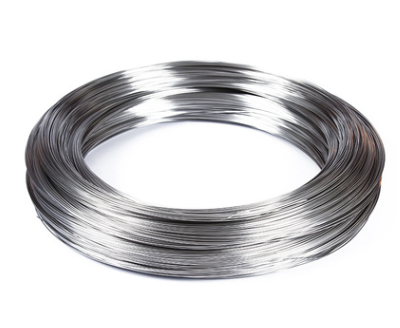
| Wire | 0.025mm – 21mm diameter | ASTM A276 |
| Forgings | Custom configurations | ASTM A182 F53 |
Applications by Industry
| Industry | Applications | |
|---|---|---|
| Oil & Gas | Downhole tubing, casing, wellhead equipment, subsea components, sour gas service | |
| Offshore & Marine | Offshore platforms, seawater piping, propellers, shafts, marine hardware | |
| Chemical Processing | Pressure vessels, reactors, heat exchangers, piping systems | |
| Desalination | Desalination plants, evaporators, brine heaters | |
| Pulp & Paper | Digesters, bleach plants, liquor heaters | |
| Pollution Control | Flue gas desulfurization (FGD), scrubber systems | |
| Food Processing | Food handling equipment, processing vessels | |
| Power Generation | High-stress components in thermal and nuclear plants |
Frequently Asked Questions
Q: What is the difference between Duplex 2205 and Super Duplex 2507?
A: Duplex 2507 has higher chromium (25% vs 22%), molybdenum (4% vs 3%), and nitrogen content, resulting in superior corrosion resistance (PRE > 41 vs > 30) and higher yield strength (550 MPa vs 450 MPa) .
Q: What is the difference between UNS S31803 and UNS S32750?
A: S32750 (Duplex 2507) is a super duplex grade with higher alloy content, providing significantly better pitting resistance and higher strength compared to standard duplex grades like S31803/S32205 .
Q: What is the maximum operating temperature for Duplex 2507?
A: The recommended service temperature range is -50°C to +300°C (-58°F to +572°F). Above 300°C, embrittling phases such as sigma phase can form, reducing toughness and corrosion resistance .
Q: Is Duplex 2507 magnetic?
A: Yes, Duplex 2507 is ferromagnetic due to its ferrite phase content (approximately 35-55% ferrite) .
Q: Can Duplex 2507 be welded without post-weld heat treatment?
A: Yes, Duplex 2507 can be used in the as-welded condition provided proper welding procedures are followed to maintain the ferrite-austenite balance. No post-weld heat treatment is typically required